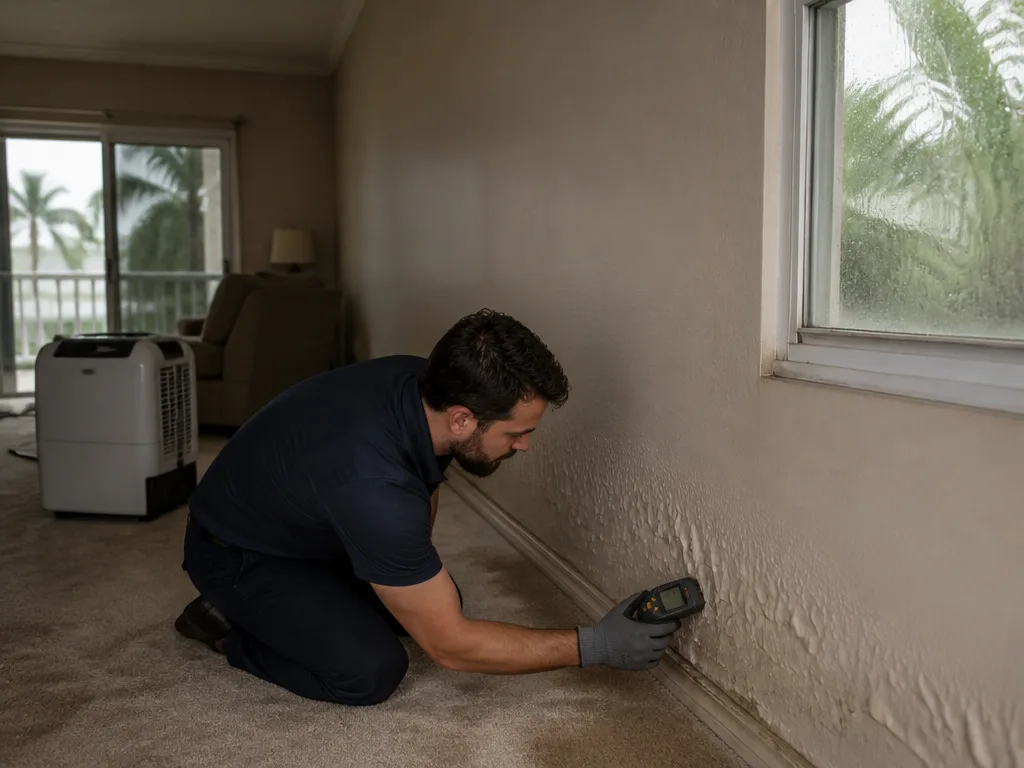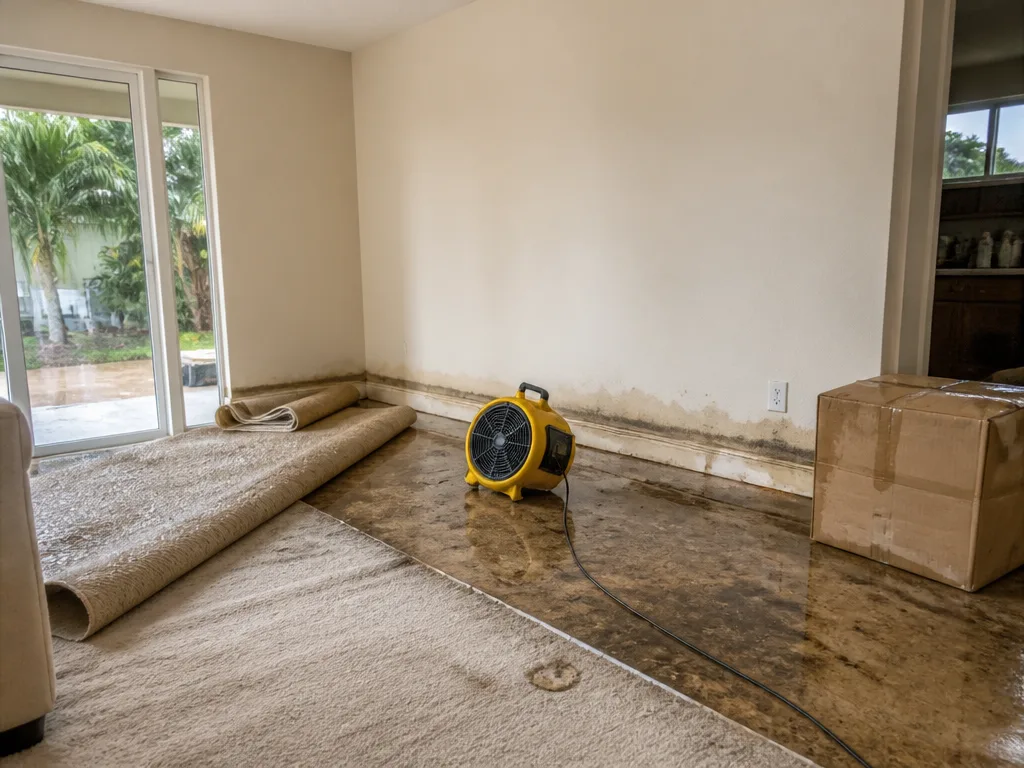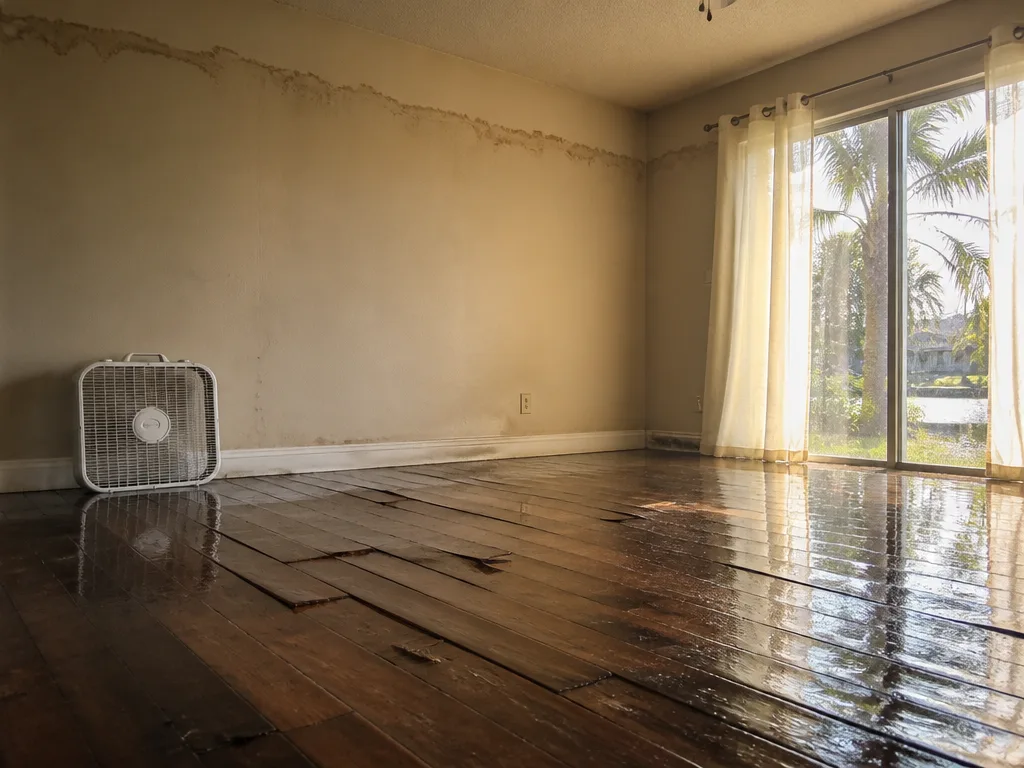
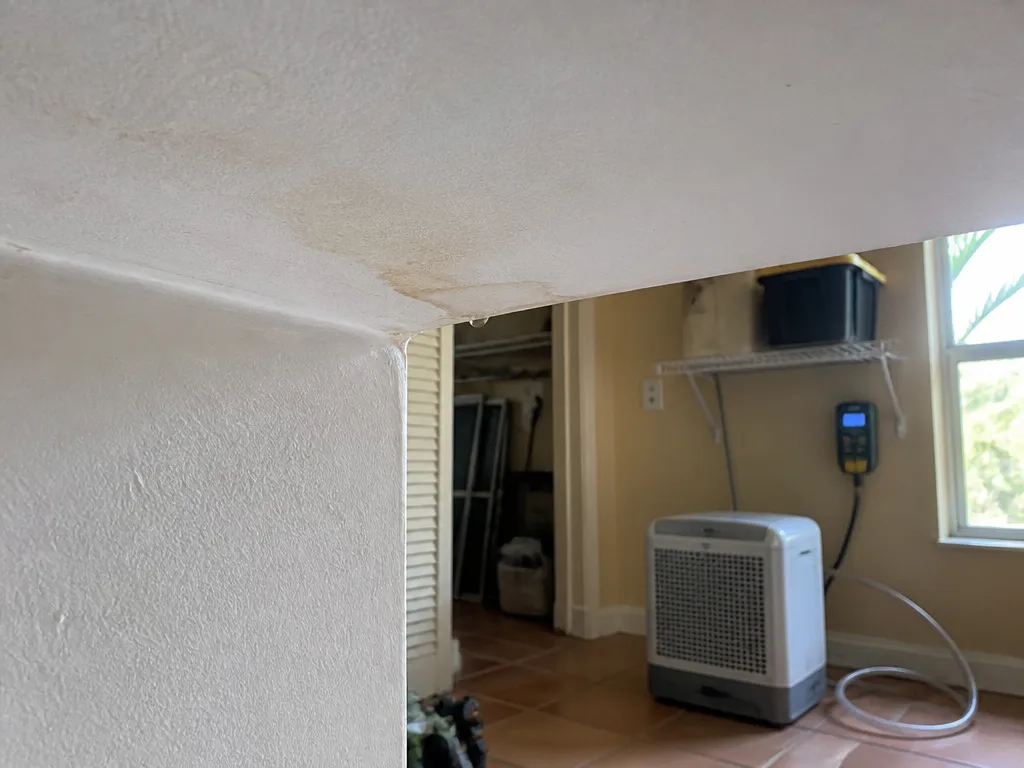
Florida is hard on wet walls. The humidity sits in the air most of the year, afternoon storms soak yards and roofs without warning, and a small leak behind a vanity can turn into a bigger problem before anyone notices. If your home has already been through water damage and restoration, the work is only half the story. The other half is making sure the moisture does not find its way back in.
At Water Mold Miami, our restoration specialists work with Florida homeowners from the panhandle down to the keys, and we see the same pattern again and again. The repair looks great the week it is finished, then a stain shows up in the same corner three months later. Usually it is not a mystery. It is a moisture source that never got fully addressed, or a drying step that got rushed. Here is what we tell neighbors who ask how to keep their results.
Find the moisture source before you close anything up
Drywall and flooring are the parts you can see, but water moves. It travels along studs, wicks into insulation, and sits under baseboards where nobody looks. Before any new finishes go on, walk the area and check for the things that started the problem in the first place: a cracked supply line, a window sill that holds water after rain, a roof valley that drains badly, or a slab that wicks moisture up from the ground during the wet season.
In Florida, rainy season from roughly June through September is the big test. Walk the perimeter of your home after a heavy storm and look for pooling near the foundation, downspouts that dump right beside the wall, and grading that slopes toward the house instead of away from it. Small fixes like extending a downspout four or five feet can save you from redoing a whole bathroom wall.
Keep the air moving and the humidity in check
Even after everything is dry, your home can hold onto moisture for weeks. Florida air holds a lot of water, and closed-up rooms with no airflow turn damp spots into musty ones. A few habits make a real difference:
- Run bathroom exhaust fans for 20 minutes after every shower, not just while you are in there.
- Keep interior doors cracked in rooms that were affected so air can circulate.
- Set your thermostat so the house stays between 45 and 55 percent relative humidity, using a cheap hygrometer to check.
- Do not stack boxes or furniture tight against exterior walls, where air cannot reach the surface.
A dehumidifier in a room that stays closed most of the day is worth the electric bill for the first year after restoration. Once readings hold steady for a few months, you can usually scale back.
Watch the spots that hide moisture
Some areas will tell you about trouble long before it spreads. Check the back of cabinets under sinks, the space behind the toilet base, the inside of closets on exterior walls, and the corners of ceilings under upstairs bathrooms. A faint ring on paint, a soft spot in baseboard, or a sour smell that comes and goes all deserve a second look. Catching these early means a quick fix instead of another full project.
Protect the repaired surfaces over time
Restoration brings things back to a solid, finished condition, and it still needs ordinary care. Paint that is not fully cured can blister when humidity spikes. Sealant around tubs and windows shrinks and cracks after a few years of Florida heat. Caulk the gaps again when you see them open, and repaint with a moisture-resistant primer in bathrooms and laundry areas.
Flooring needs attention too. If your restored floor is laminate or engineered wood, keep standing water off it right away, and wipe up spills instead of letting them sit. Set up rugs with a non-slip backing that lets the floor breathe. Move appliances occasionally to check the floor underneath, especially around the washer and refrigerator water lines.
Know when to call a restoration specialist
Some signs mean it is time to pick up the phone rather than wait. A new stain that keeps growing, paint that bubbles again in the same spot, a musty smell that does not clear after a few days of fans and dry air, or a water line that has been slow to shut off are all reasons to call. Plenty of Florida homeowners wait because they hope it will fix itself. It rarely does, and a small callback is far cheaper than tearing out a wall again.
If you are dealing with a repeat problem, tell the team exactly what you have noticed and when. Dates, locations, and whether the trouble follows heavy rain or hot humid days all help narrow things down. Call Water Mold Miami at your convenience, and we will get a restoration specialist out to look at the situation with you, wherever you are in Florida.