Florida homes take water hard. Heavy summer storms, a hot attic that cooks every drop into the drywall, humidity that never really lets up. So when a supply line lets go or a hurricane-driven rain finds its way under the door, the damage moves fast. Most of what goes wrong in the first 48 hours comes from decisions homeowners make with good intentions. Here are the ones we see most often across Florida, and what to do instead.
Waiting to Call Until the Carpet Looks Bad
People tend to wait. The water is standing in the hallway, it looks like a lot, and the instinct is to see how it settles. The problem is that water doesn't stop at the surface. It wicks into subfloor, pad, and the bottom plate of the wall, and it keeps going. By the time the carpet looks ruined, the damage underneath has usually been spreading for hours.
Call as soon as you know there's water where it shouldn't be. Our phone line is the fastest way to get a restoration specialist on the way, and a quick call tells you whether you need same-week scheduling or something more urgent. Don't wait for the house to look bad before you pick up the phone.
Turning Off the Power Without Thinking It Through
Water and electricity don't mix, and a lot of homeowners know that. What they don't always do is check. If water has reached an outlet, a power strip, or the panel itself, the safe move is to shut off the main breaker to that area or the whole house, not to wade in and start unplugging things. If you can't tell where the water is, stay out of it and call an electrician or the utility before you touch anything.
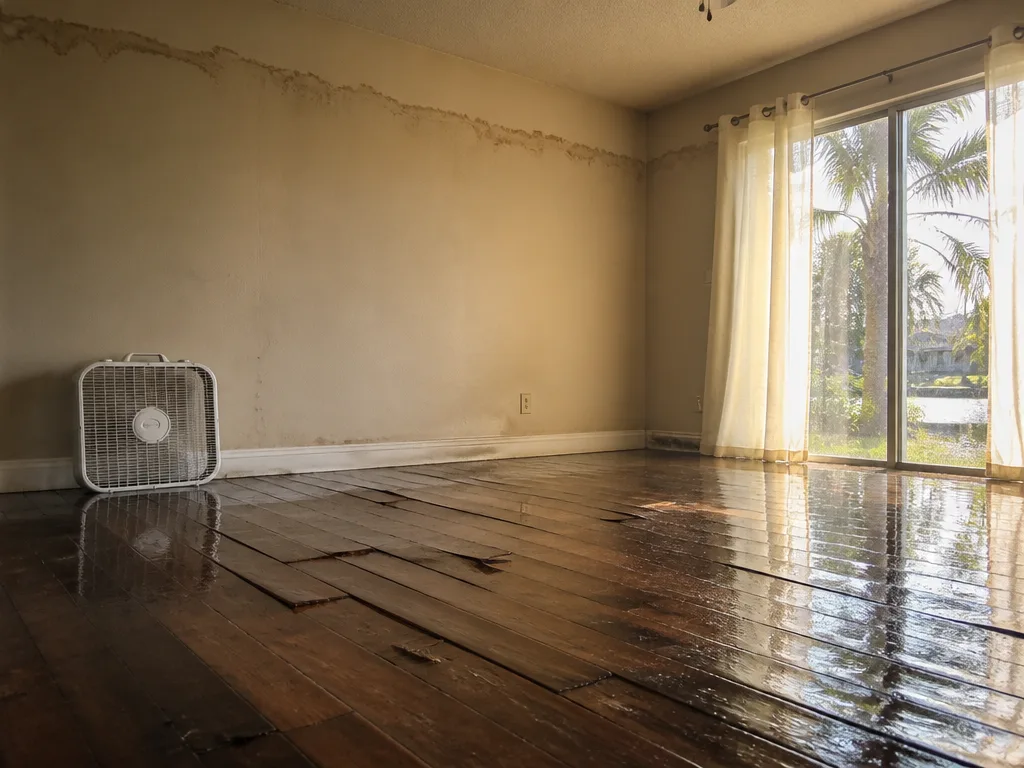
Floor lamps, extension cords, and that old box fan in the corner are the usual culprits. Lift them out of the room only if the path is dry. Otherwise, leave them and tell the restoration specialist exactly where they are.
Running Fans and Dehumidifiers Before Extraction Starts
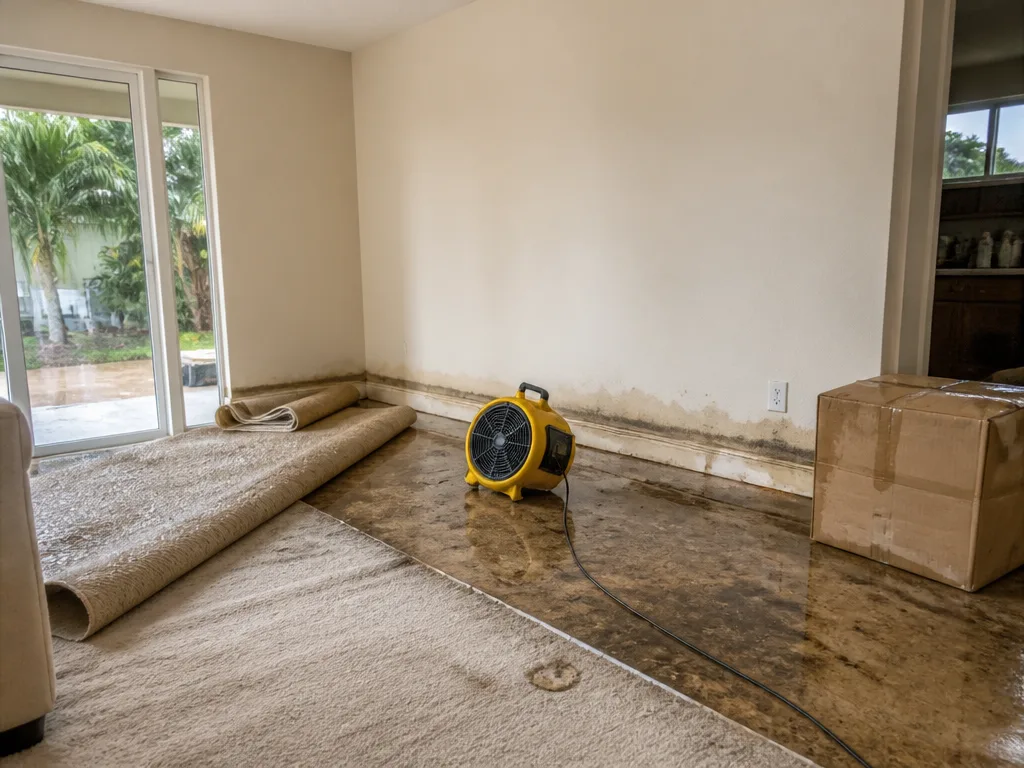
This one catches people in Florida especially. You see wet floors, you want air moving, so you point every fan you own at the puddle and crank the thermostat down. That can feel like progress. In practice, running air movers before the standing water is pulled can push moisture deeper into materials and spread it into rooms that were dry an hour ago.
Extraction comes first. Removing standing water with the right equipment cuts the load before drying equipment goes in. Once the restoration specialist has pulled the water, air movers and dehumidifiers do their job much faster and with less wasted energy.
Quick checklist before the crew arrives
- Shut off power to the affected area at the breaker, if you can do it safely.
- Photograph the water, the damaged materials, and any visible source.
- Move valuables, paper documents, and electronics to a dry room.
- Keep kids and pets out of the wet area until it's cleared.
- Stop the source if you can, like closing the main water valve.
Pulling Up Everything Yourself
A soaked rug feels like something you should just haul out to the curb. So does the baseboard that's bowing away from the wall. Pulling materials out before anyone has documented them can cost you later, both for insurance and for the drying plan itself. Some materials that look finished can still be salvaged, and some that look fine are holding moisture you can't see.
Take photos first. Then bag up small items and wet textiles you're sure about. Leave the big decisions, like cutting drywall or lifting flooring, to the people who can measure moisture content and explain what needs to come out.
Ignoring the Hidden Moisture
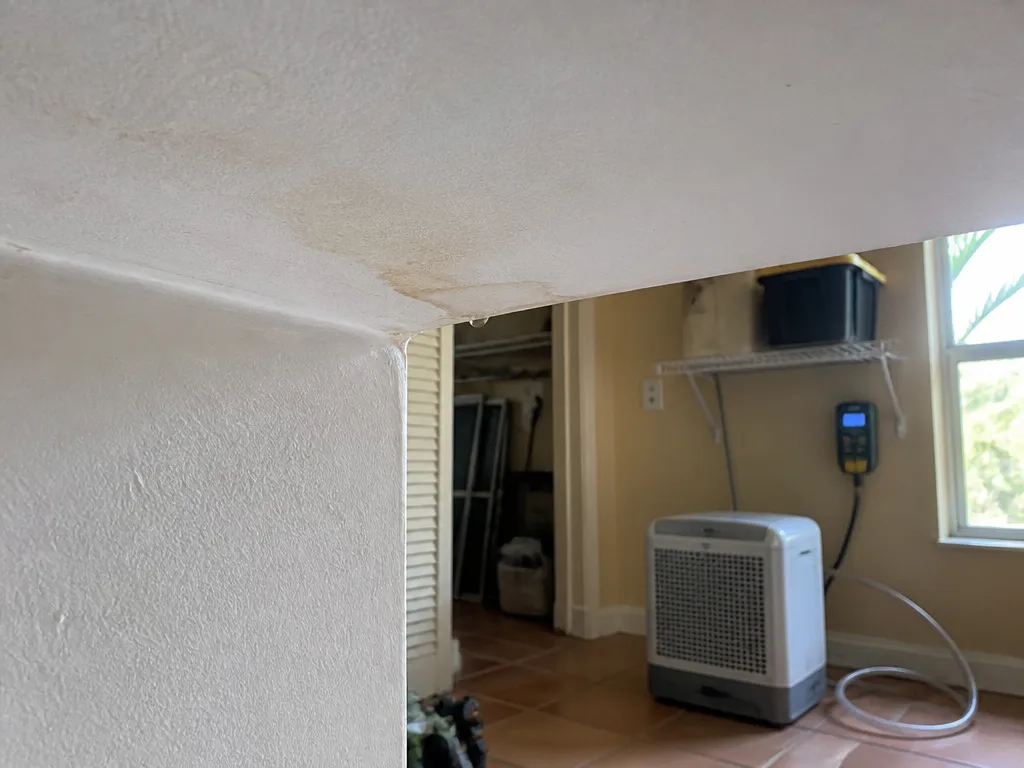
The water you can see is rarely the whole story. In Florida's humidity, damp materials can start to mold within a day or two, and the smell often shows up before the stain does. Behind baseboards, under cabinets, inside wall cavities, and under tile are the places people forget. A dry-looking floor can still be wet a few inches down.
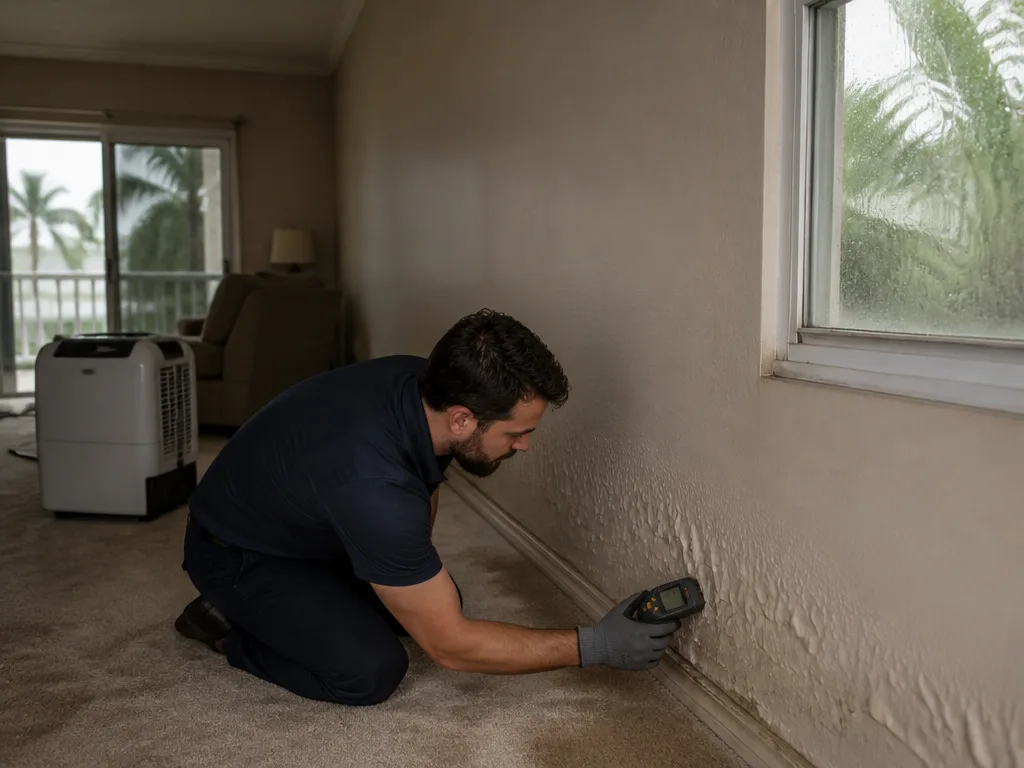
Ask your restoration specialist to check the areas you can't see. Moisture readings on the walls and subfloor show where drying still needs to happen. If a room smells musty a week after the work is done, don't assume it's just the air. Call us again and let someone check.
Choosing Based on Who Answers Fastest Online
When water is on the floor, it's tempting to grab the first company that shows up in a search and book the first slot offered. Speed matters, but so does getting someone who will explain the job. Before you agree to anything, ask who will be on site, what equipment they plan to bring, and how they'll track drying progress day to day. A good crew will answer those questions over the phone without fuss.
Water Mold Miami serves homeowners all over Florida, from the panhandle down to the keys, so our crews are used to every kind of water event this state throws at a house. Call us at your convenience and we'll walk you through what happens next, without a sales pitch.
What to Do Next
Keep the sequence simple. Stop the source, shut off power where the water sits, document the damage, and call for extraction before you start pulling things out. Hold off on the fans until the standing water is gone. And keep an eye on the walls and floors for days afterward, because the moisture you can't see is the part that causes the most trouble later.
Florida homeowners deal with water more than most. Knowing these mistakes ahead of time makes the first hour of a bad day a lot less expensive. When you need a restoration specialist, pick up the phone and call Water Mold Miami.