Florida houses take a beating from humidity. Summer afternoons dump an inch of rain in twenty minutes, the air never really dries out between storms, and a lot of us are living in homes built decades ago with plumbing that has seen better days. Water Mold Miami works with Florida homeowners from the panhandle down to the keys, and most of the calls we get could have been prevented with a little attention ahead of time. This checklist is what we walk neighbors through when they ask how to keep their homes out of our trucks.
Start With the Roof and the Gutters
Every restoration job we run into across Florida has a water story, and a lot of those stories begin at the top of the house. Shingles lift after a hard wind, flashing around chimneys cracks, and tile roofs shift when the ground under them moves a bit with the seasons. You do not need to climb up there every week.
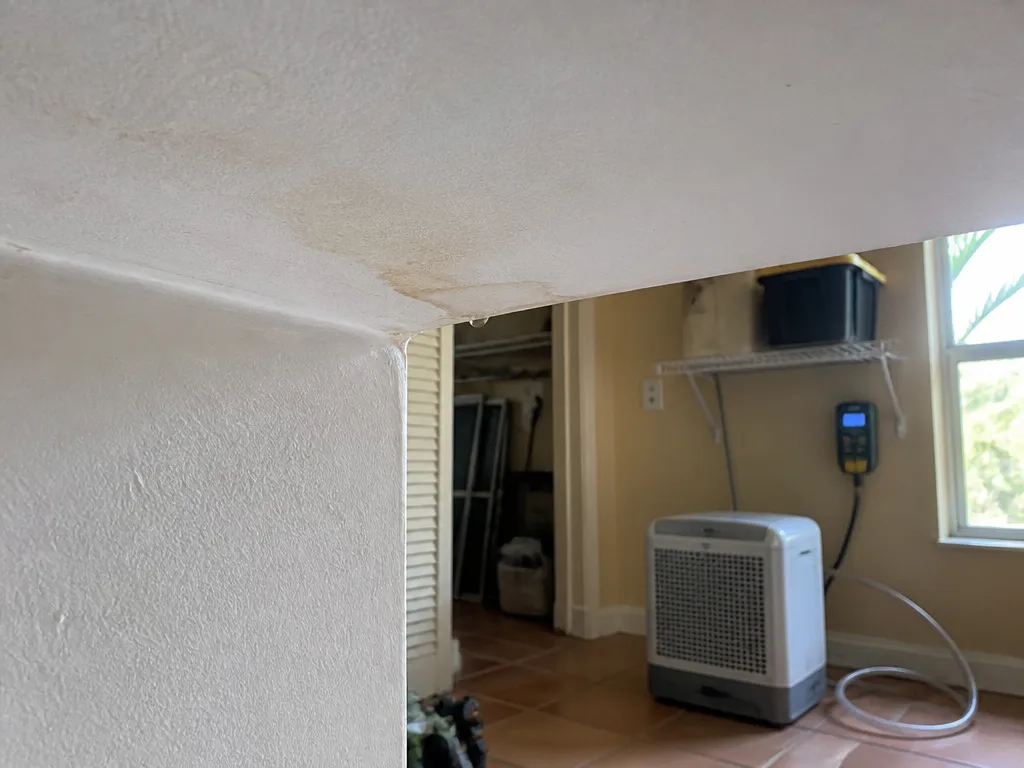
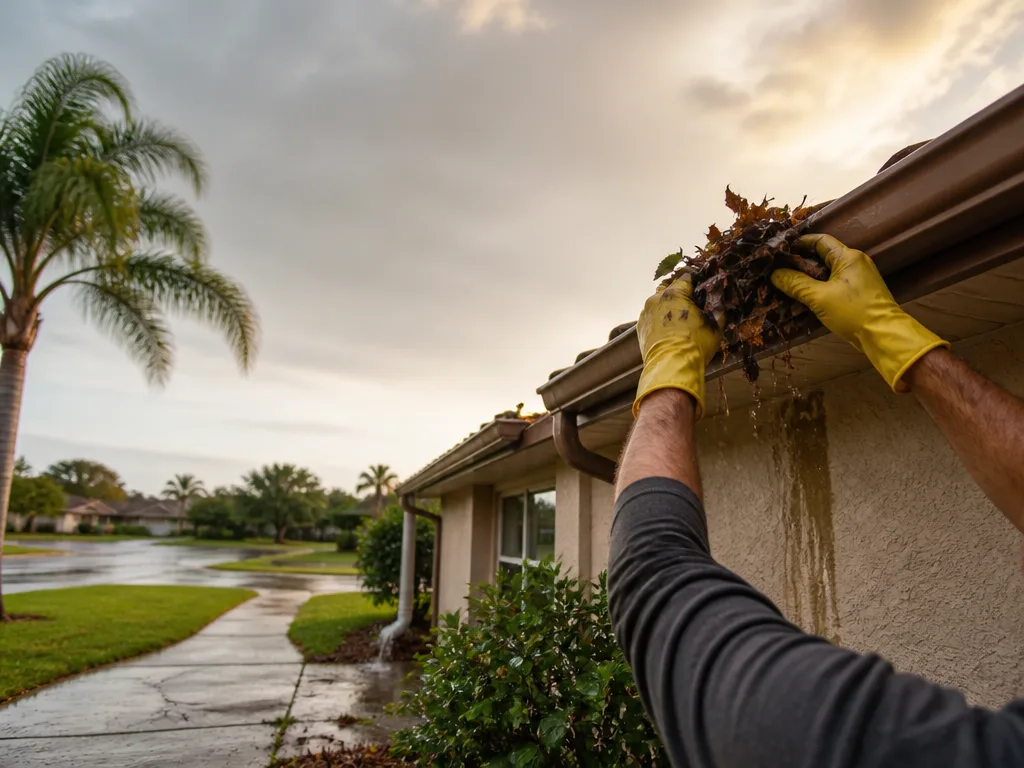
Try this instead. After any named storm or strong thunderstorm, walk the perimeter and look for granules in the gutters, dented vents, or stains on ceilings near exterior walls. Clear gutters at least twice a year, more often if you have oaks or palms dropping debris. A gutter packed with wet sand and leaves will push water sideways into fascia boards, and that is how a small leak becomes a soft subfloor.
Check that downspouts push water at least four or five feet from the foundation. In a lot of Florida neighborhoods the lot slopes just enough to send runoff straight back toward the slab. Extend the downspout or add a splash block. It costs very little and it matters.
Walk the Inside Like You Are Looking for Trouble
Most people only notice a leak once the carpet squishes underfoot. By then the water has been moving for days. Set aside ten minutes a month to check the spots where water hides.
- Under every sink, looking at the supply lines and the trap for drips or white mineral crust
- Behind the toilet base, where a worn wax ring can seep for months
- The water heater pan and the area around its connections
- Around window frames and sliding doors, especially on the sides that take afternoon rain
- Inside the closet that backs up to an exterior wall, where nobody looks
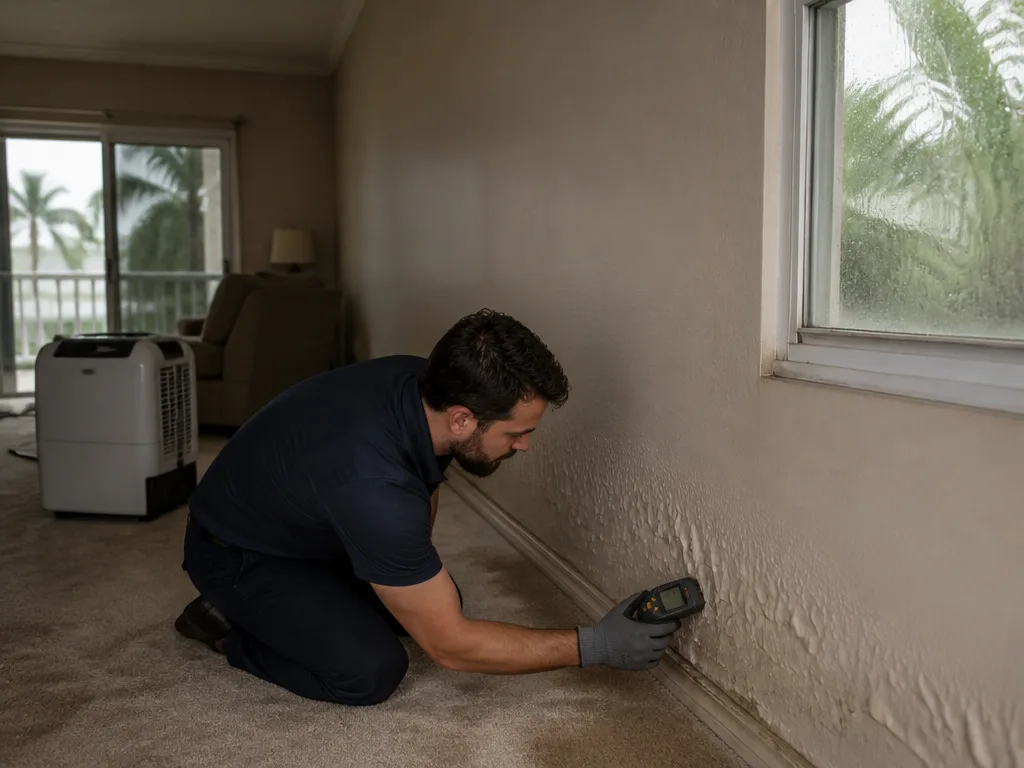
Bring a flashlight and a paper towel. Press the towel against suspicious spots. If it comes back damp, you have found something worth fixing now rather than after a storm.
Pay Attention to the Humidity Number
Florida air holds moisture year round, and indoor humidity above roughly 60 percent gives mold a foothold on drywall, wood trim, and fabric. A basic hygrometer costs less than a tank of gas. Keep the reading under 55 percent if you can, run bathroom and kitchen fans during and after use, and make sure the AC is sized and maintained so it actually pulls moisture out of the air rather than just cooling it.
Protect the Spots Storms Target
Florida storms do not hit every part of a house equally. They hunt for the weak points, and you can close most of them before hurricane season or the next big downpour.
Seal exterior penetrations where cable lines, hose bibs, and dryer vents enter the wall. Caulk cracks in stucco and check the paint on soffits. Make sure garage doors have a working seal along the bottom, since a garage that floods during a storm often sends water into the adjoining living space. If you have a crawl space, confirm the vapor barrier is intact and the vents are not blocked by mulch or landscaping. Standing water under a house is one of the quickest routes to needing structural drying.
Think about the landscaping too. Mulch piled against siding holds moisture against wood for weeks. Keep it pulled back a few inches. Trim branches that rub the roof, because they will wear through shingles and drop leaves into valleys.
Plan for the Day Water Gets In Anyway
Even careful homeowners get surprised. A supply line bursts while you are at work, or a neighbor's sprinkler soaks your fence line for a month. What matters is how fast you respond. Here is a simple plan worth writing on the inside of a cabinet door.
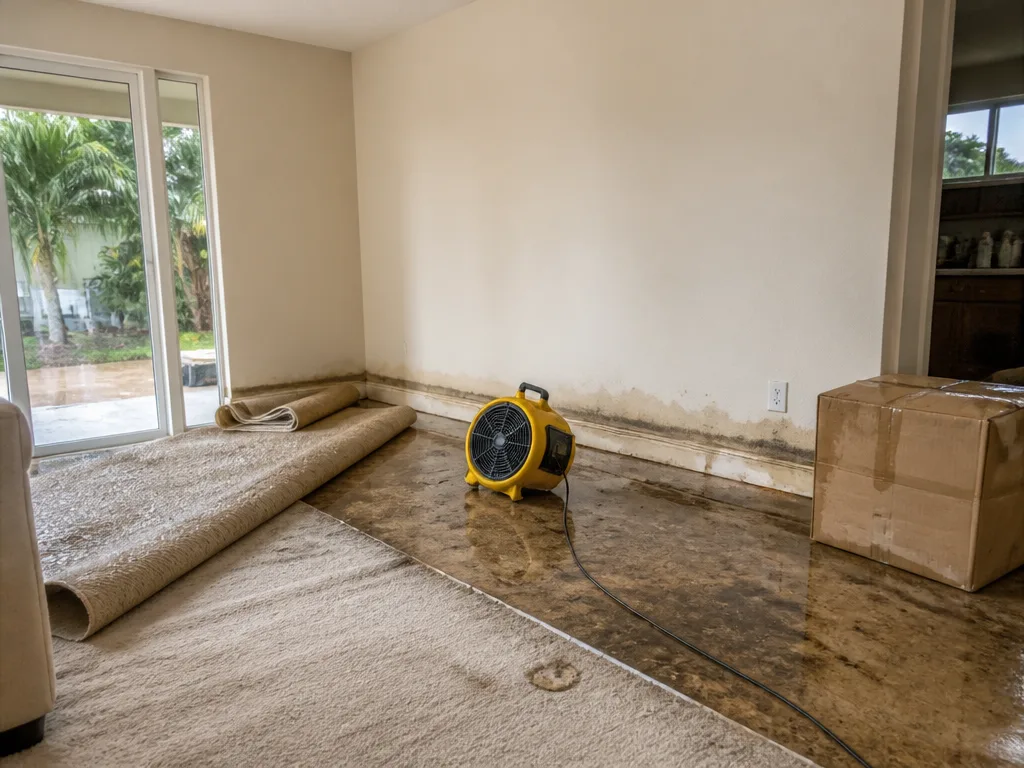
Know where your main water shutoff is and make sure it turns. Keep a list of phone numbers handy, including your insurance carrier and a restoration company you trust. Take photos of each room now, while everything is dry, so you have a before picture if you ever need one. When water does show up, shut off the source, pull up rugs if you can, and move valuables off wet floors. Do not run a box fan over soaked drywall and hope for the best. Water that sits inside wall cavities keeps spreading.
If you would rather have a team look at your home than guess, call Water Mold Miami at your convenience. Our restoration specialists take calls from homeowners anywhere in Florida, and we can talk through what your home needs before anything gets worse. The phone is the fastest way to reach us, so pick it up when you are ready.